 LyonVitality
How the Body Sustains Energy and Weight Balance
Published: February 2026 | Reading Time: 8 minutes
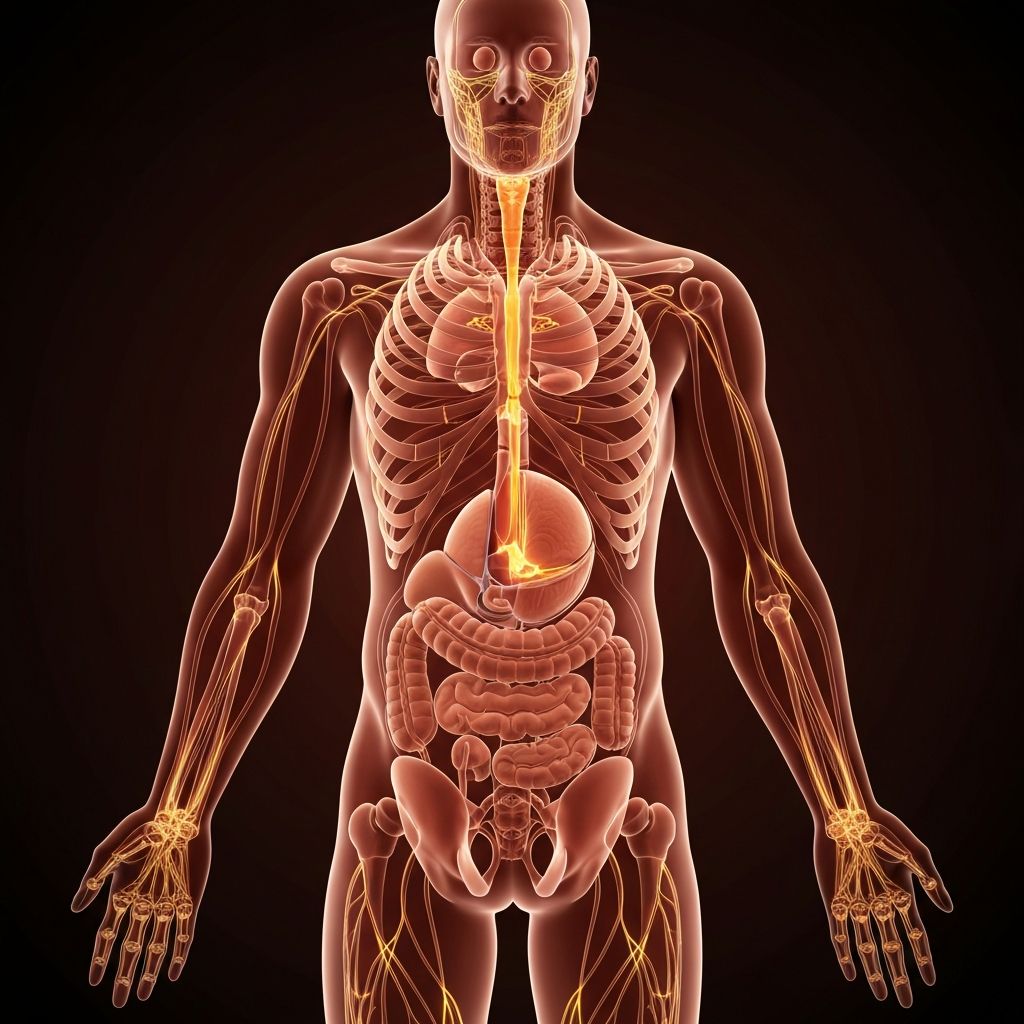
Introduction to Energy Homeostasis
The human body operates as a complex system designed to maintain equilibrium despite constant environmental and internal changes. One of the most fundamental aspects of this regulation is energy homeostasis—the body's ability to balance energy intake through food with energy expenditure through various biological processes and physical activity.
Weight, in this context, is ultimately an expression of energy balance. When energy input equals energy output over time, weight remains stable. When intake exceeds expenditure, the body stores excess energy as body tissue. When expenditure exceeds intake, the body mobilizes stored energy. Understanding these mechanisms requires examining multiple interconnected physiological systems.
The Components of Energy Expenditure
Total daily energy expenditure comprises several distinct components:
Basal Metabolic Rate (BMR)
The basal metabolic rate represents energy required for essential physiological functions at rest: maintaining cell function, circulation, respiration, nervous system activity, and organ function. BMR typically accounts for 60-75% of total daily expenditure in sedentary individuals. This rate varies significantly among individuals based on age, sex, body composition, genetics, hormonal status, and metabolic health.
Thermic Effect of Food (Dietary Thermogenesis)
The thermic effect of food refers to energy required to digest, absorb, and process nutrients from food. Different macronutrients require varying amounts of energy: protein has the highest thermic effect (approximately 20-30% of calories consumed), carbohydrates require moderate energy (approximately 5-10%), and fats require minimal energy (approximately 0-3%). This accounts for approximately 10% of total daily expenditure.
Physical Activity Energy Expenditure
Deliberate exercise and sports represent the most variable component of energy expenditure. Depending on activity level, exercise can account for 15-30% or more of total daily expenditure. However, activity level varies tremendously among individuals and across time.
Non-Exercise Activity Thermogenesis (NEAT)
Energy expended through daily movement, occupational activities, and fidgeting—collectively termed NEAT—can contribute significantly to total expenditure. For individuals with sedentary occupations, NEAT may be minimal, while active workers may have substantial NEAT-related expenditure.
The Complexity of Energy Intake
While caloric intake seems straightforward—food contains measurable calories—the body's response to consumed food is remarkably complex.
Nutrient Composition Effects
Different macronutrient compositions produce different physiological effects beyond simple calorie counting. Protein consumption promotes satiety more effectively than carbohydrates, particularly refined carbohydrates. Fiber content affects satiety and nutrient absorption. Micronutrient density influences metabolic efficiency and overall health.
Satiety Signaling
The body possesses multiple signaling systems regulating appetite and satiety. Hormones including ghrelin (increases appetite), leptin (decreases appetite), peptide YY, and cholecystokinin communicate energy status to the brain. Nutrient density, meal composition, eating rate, and individual genetics all influence these signals, creating tremendous individual variation in how different people experience hunger and fullness.
Digestive and Metabolic Efficiency
Individual variations in digestive health, gut microbiota composition, nutrient absorption efficiency, and metabolic processing create substantial differences in how people extract and utilize energy from identical foods.
Factors Affecting Weight Regulation
Beyond simple energy balance, numerous factors influence how the body regulates weight:
Hormonal Status
Thyroid hormones, insulin sensitivity, cortisol levels, and reproductive hormones all significantly influence metabolism and weight. Conditions affecting these hormonal systems can substantially alter energy balance despite unchanged dietary intake or activity level.
Sleep Quality and Duration
Inadequate sleep disrupts hormones regulating appetite and satiety, increases cortisol (stress hormone), and reduces metabolic efficiency. Sleep deprivation is associated with increased weight gain independent of diet changes.
Stress and Mental Health
Chronic stress elevates cortisol, which promotes fat storage, particularly visceral fat. Psychological stress affects eating behaviors, sleep quality, and metabolic function through the nervous system.
Physical Activity and Muscle Mass
Muscle tissue is metabolically active, contributing significantly to basal metabolic rate. Physical activity, particularly resistance training, influences weight composition independent of total body weight.
Genetics and Individual Variation
Genetic factors influence basal metabolic rate, appetite sensitivity, fat distribution, and responses to dietary changes. While not deterministic, genetics create the baseline around which environmental and lifestyle factors operate.
The Complexity of Individual Variation
Scientific research consistently demonstrates that individual responses to identical dietary interventions vary dramatically. Some people lose weight more readily than others when consuming fewer calories. Some respond favorably to low-carbohydrate diets, while others perform better with higher carbohydrate intake. These differences reflect the complexity of human physiology.
Understanding energy balance requires acknowledging that multiple physiological mechanisms interact in ways that are not fully predictable from general principles alone. What works for population averages may not apply uniformly to individuals.